
A balance of best practices
Peppermint Tree is a nurturing environment for growth and joy, guided by expertise, grounded in nature, and built on the belief that a balance of best practices is the best beginning for all children.
Nature Connection

Children connect with nature and the seasons through extended time to play on our park-like grounds, follow their curiosity through our outdoor centers, and explore their five senses in our bountiful gardens.
Social Emotional Learning

Children cultivate emotional intelligence by learning about themselves, identifying their feelings, and learning to self-regulate. We problem-solve, practice safety, celebrate kindness, and nurture respect.
Early Academics
& the Arts

Children engage in early academics, inside and outside, through hands-on discovery-based learning, enriched by art expression opportunities. Our children graduate PreK confident and eager to learn at higher levels, as evidenced by our 4-Star rating from Grow New Jersey Kids.
Creating Community

We welcome our families to participate in classroom activities and celebrations and invite their input and ideas. We support social connections through our Parent Group meetings and our school family events.




Nature Connection
Children who spend time outside and in nature are happier, healthier, and more in tune with their surroundings.
Nature Connection as a best practice gives children:
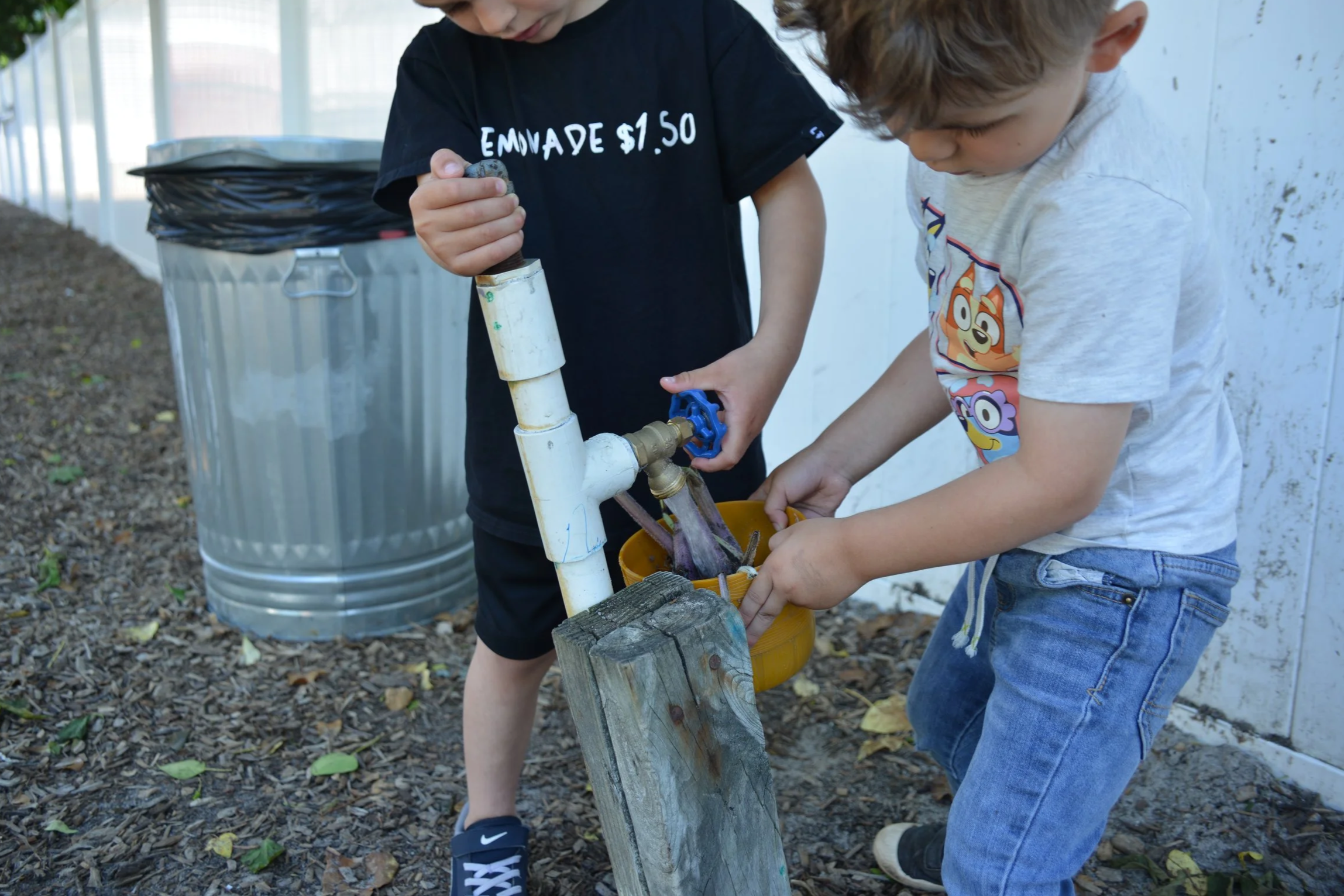
Ability To Focus & Think Critically
A lot happens in your child’s brain outside in nature that does not happen indoors.
Decision-making increases. Outdoors presents constantly changing variables. Kids have to adapt. That adaptation builds executive function.
Sustained attention develops. Studies found that children scored higher on concentration tests after a walk in nature. The greener their everyday experiences, the more capacity they have to focus.
Problem-solving engages. How do I climb this? Where does this plant do? What happens if I try this? Real-world problems require real-time solutions.
Memory improves. Researchers at UC Berkeley found that children experience a significant increase in memory span after nature walks compared to urban walks.
→ Further reading: How outdoor time improves kids focus
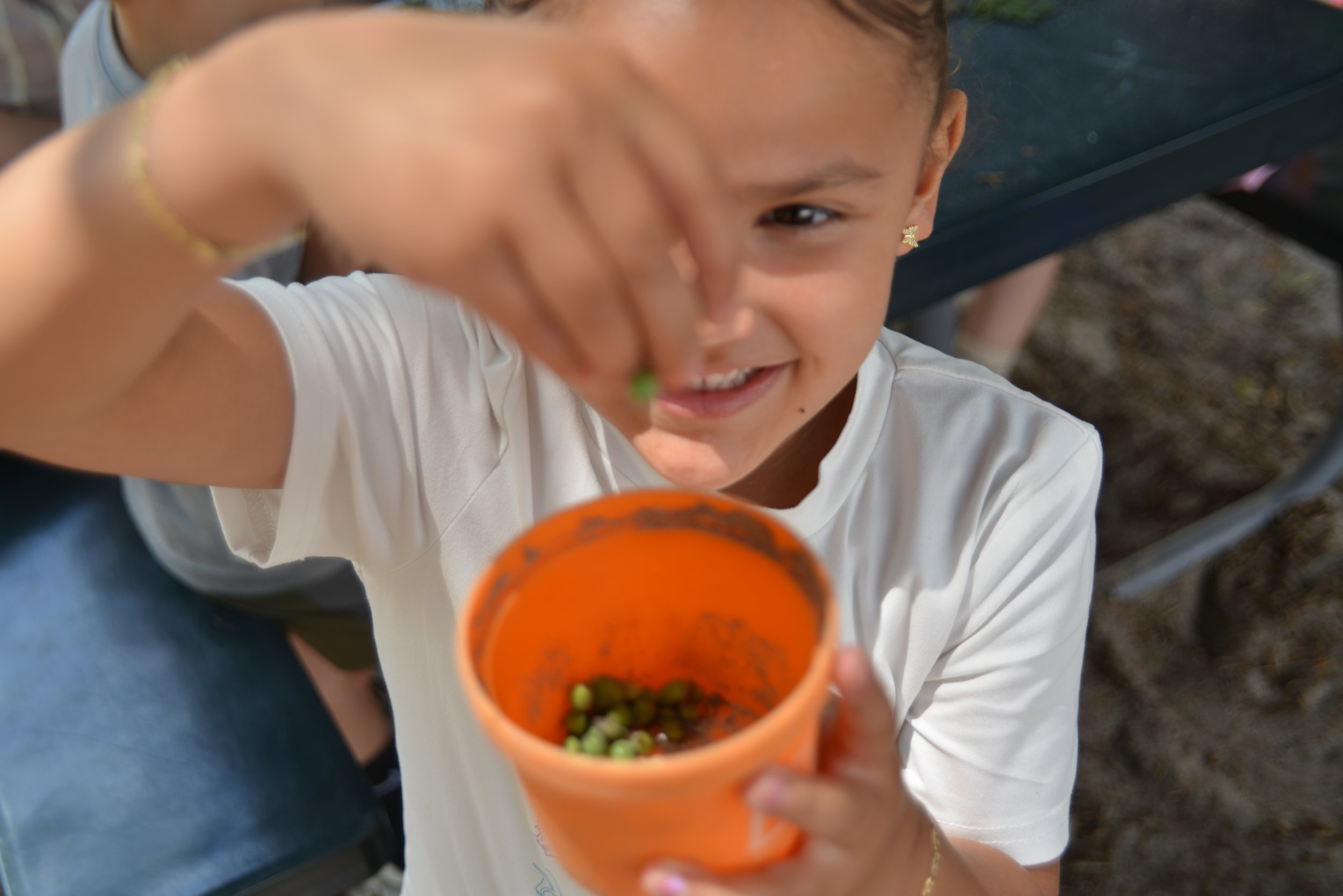
Strong Bodies & Calm Minds
Without time in nature, children are out of shape, tuned out, and stressed out.
Fitness levels increase. Outdoor play is associated with higher physical activity levels than playing indoors, building active, healthy bodies, and lowering obesity and the chance of nearsightedness (myopia).
Motor Control develops. Play in outdoor open spaces increases gross motor control, vestibular control, and proprioception while hands-on exploration of nature increases fine motor control of hands and fingers.
Mood improves. Studies have shown that simply having contact with dirt, breathing fresh air, and having natural exposure to sunlight can significantly improve a child's mood and reduce anxiety and stress.
Minds calm. Children’s stress levels fall within minutes of seeing green spaces, and exposure to natural settings.
→ Further reading: how time in nature improves health & well-being

Sound Sleep
A good night’s sleep leads to happier, healthier kids, and a good night’s sleep starts in nature.
Sleep improves with natural light. Regular doses of bright natural light help children stay more alert during the day, elevate their moods, and make it easier to sleep at night.
Vitamin D increases. More time outdoors in natural sunlight improves overall sleep quality and mood. Lack of this exposure reduces Vitamin D and can negatively impact mood.
The sleep clock is set. Exposure to outdoor light in the morning helps set a child’s body clock (circadian rhythm) for a better and earlier night’s sleep.
Sleep is longer. Increased time outdoors in children and adolescents is correlated with longer sleep durations at night.
→ Further reading: how time in nature improves sleep
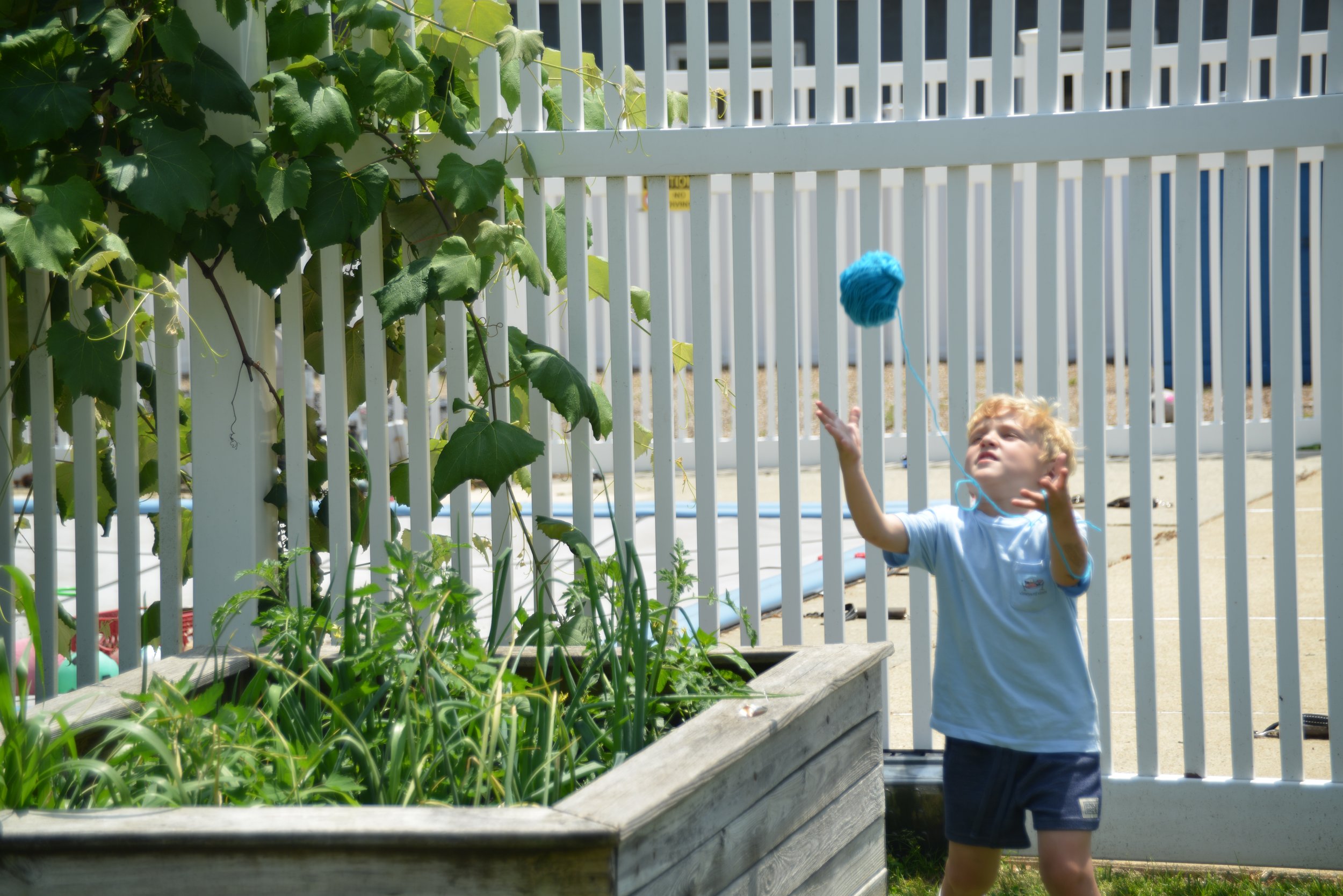
Healthy Immune System
Outdoor play provides multiple pathways for a child’s immunity to become stronger.
Fresh Air. Fresh air exposure enhances cardiovascular health and reduces the risk of respiratory infections.
Movement. Outdoor activities build muscle and strengthen bones.
Sunlight. Vitamin D plays a central role in immune function, which helps regulate immune responses and enhances the body’s ability to fight off infections and supports skeletal health.
Soil. This microbial exposure helps calibrate the immune system. Playing outside introduces beneficial bacteria that diversify the gut microbiome, which is crucial for reducing allergies.
→ Further reading: how time in nature improves immunity

Earth Friends lessons are shared every Tuesday & Thursday
with all classrooms during the school year.
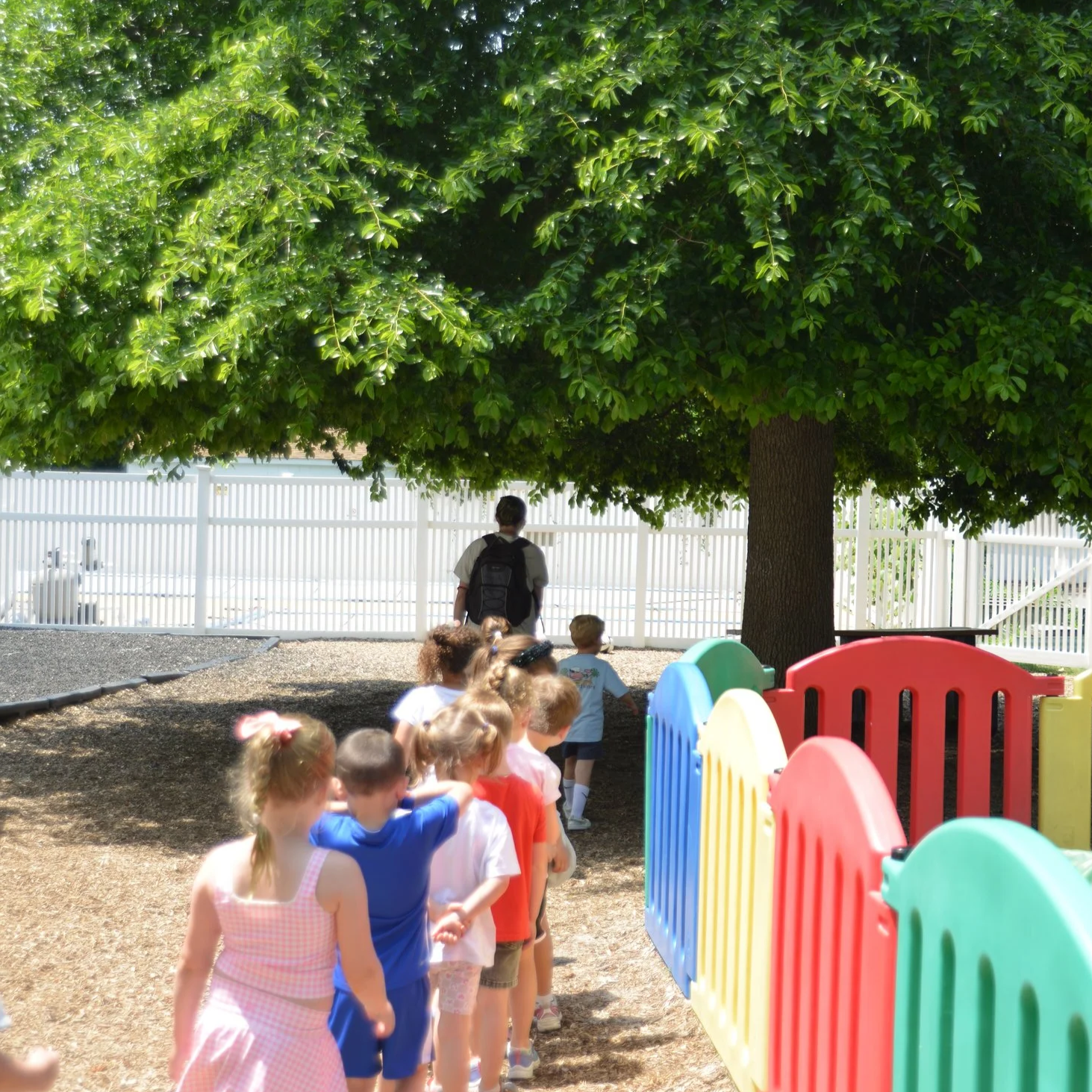
Emotional Literacy
Young children who can identify and express their emotions build the skills to navigate challenging situations and form positive relationships with their peers.
Identifying Feelings. Children learn to name their feelings and make choices about how they can respond to what they are feeling.
Emotional Regulation. With little children come big emotions. By teaching and modeling approaches, we support children in discovering the appropriate behavior to process their feelings.
Friendship Skills. Guided by The Pyramid Model, children are taught how to enter play, how to show kindness, how to take turns, share, trade, and respect others’ feelings.
Problem-solving. Each classroom has a “Problem Solving Kit”, from which the children select strategies to navigate conflicts and challenges that arise throughout the day.
→ Further reading: the Pyramid Model Approach
Overall Expectations
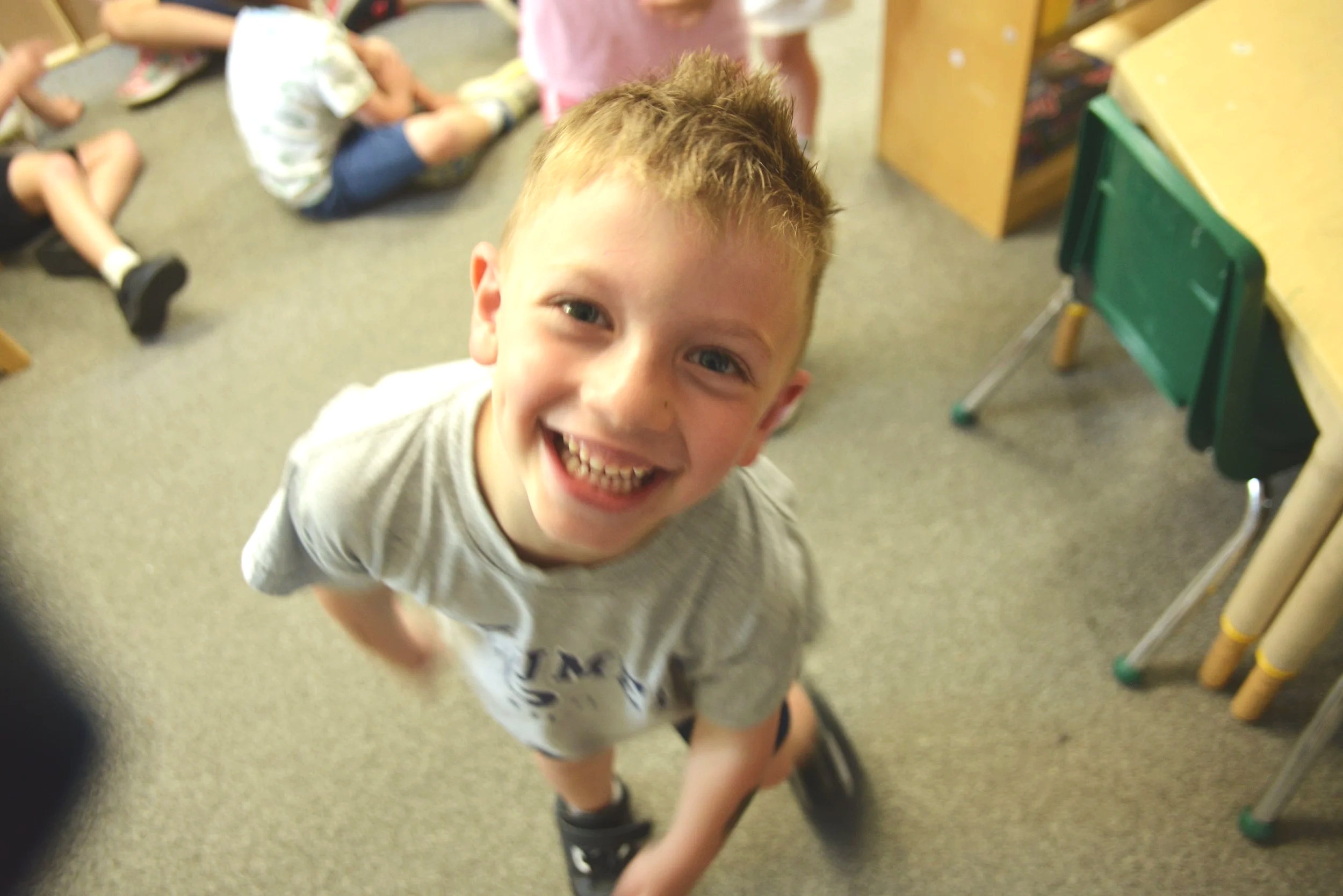
Overall expectations help children learn boundaries and understand our rules.
Positivity. Overall expectations show children how to be positive members of The Peppermint Tree and any community they may join in the future.
Routine. Reinforcement. Repetition. Children learn through regular routines, repeated vocabulary, and positive reinforcement of our expectations.
Peppermint Tree’s overall expectations are:
We are kind.
We are safe.
We are respectful.
We are problem-solvers.
Calming Strategies
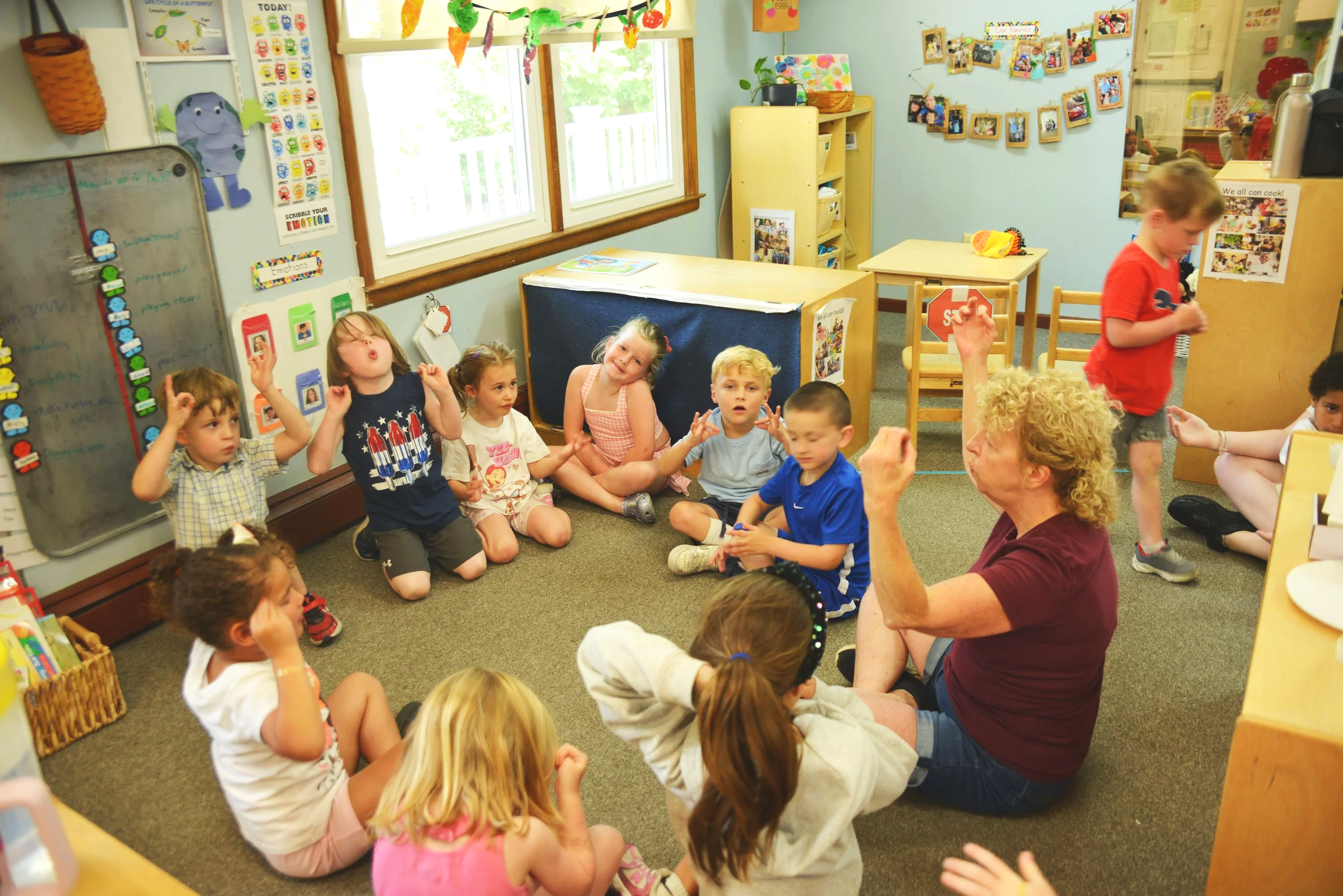
Co-regulating through calming strategies like breathing, intentional movement, and sensory activities enhance emotional regulation.
Take a few breaths with me. Deep breathing increases the supply of oxygen to the brain and stimulates the parasympathetic nervous system, which promotes a state of calmness.
Let’s do some yoga together. Young children can practice yoga or intentional movement to strengthen their mind & body connection and manage emotions that may feel overwhelming in the moment.
We can go visit the garden. Time spent outdoors can help children emotionally regulate by shifting their attention, experiencing their five senses, and breathing fresh air.
Touch this. Smell this. Listen. Young children feel emotions like joy, frustration, excitement, disappointment, etc. very intensely. But they don’t yet know what to do with those feelings. Sensory play gives emotions somewhere to go.
→ Further reading: on co-regulation strategies for children
The Pyramid Model
The Pyramid Model is a nationally recognized positive approach that helps preschool children build social-emotional skills and learn how to manage their feelings and behavior.
It focuses on:
Building strong, caring relationships between children and adults.
Creating supportive classrooms with clear routines and expectations.
Teaching social-emotional skills, such as sharing, taking turns, expressing feelings, and solving problems.
Providing extra support for children who need additional help with challenging behaviors.
The goal is to help every child feel safe, supported, connected, and ready to learn.
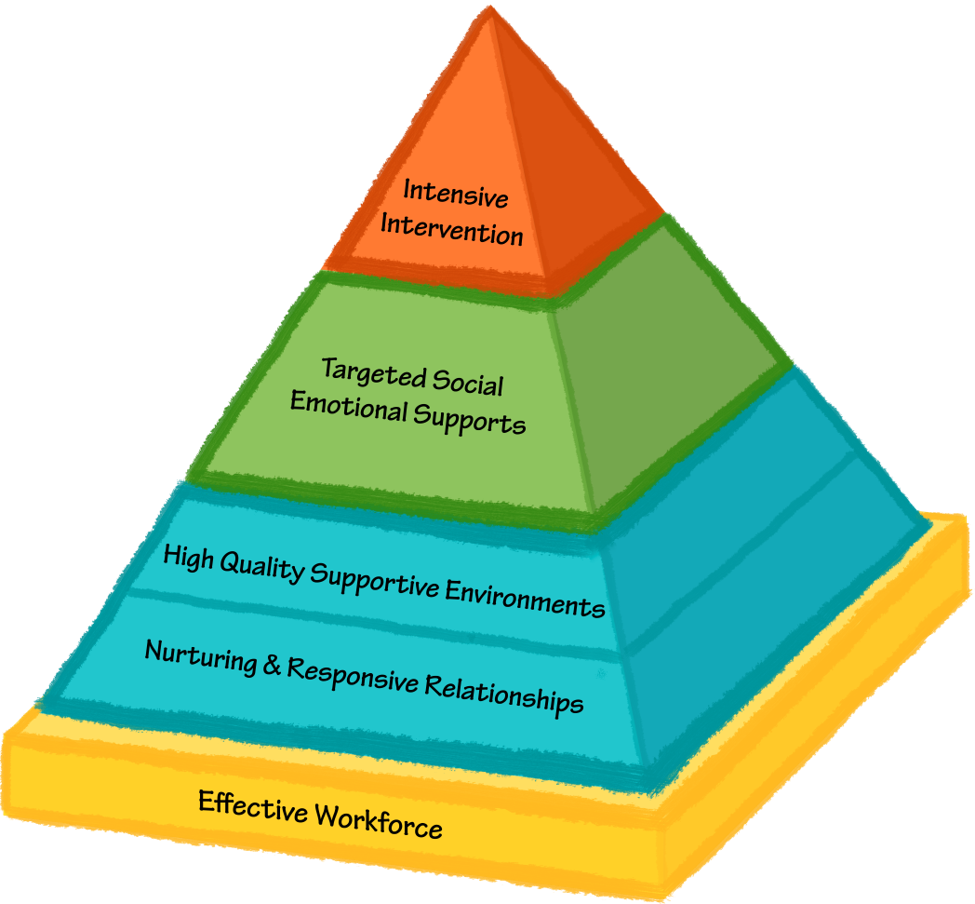
Pyramid Model for Promoting Social and Emotional Competence in Infants and Young Children
Peppermint Tree is an implementation site for the Pyramid Model, benefitting from coaching and training from Montclair State University.


Early Academics & the Arts
Children who are provided guided opportunities for discovery learning, creativity, and open-ended play are ready for kindergarten.
Early Academics & the Arts as a best practice sparks:
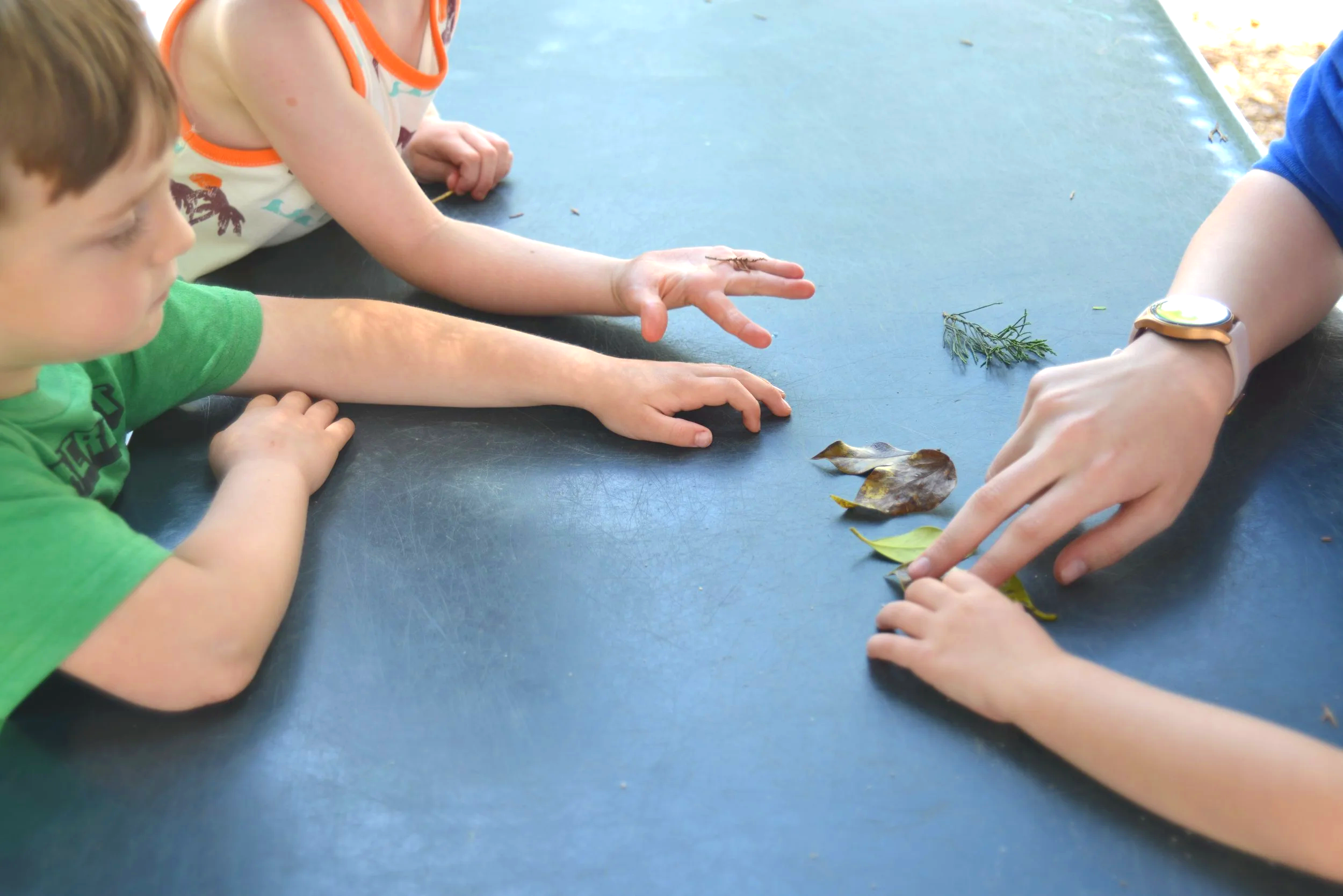
Critical Thinking
Learning to think critically is one of the most important skills that today’s children need for the future.
Formative years are important. Between ages 2 and 5 children form complex thoughts and insights, and during these years their cognitive abilities—including logical thinking and reasoning—develop substantially
Executive function is a foundation. Problem-solving and reasoning skills lay the foundation for strong critical thinking and life-long learning. We support executive function by:
modeling problem-solving
encouraging thinking before responding
teaching the difference between knowing and guessing
fostering categorization skills
School preparedness begins. Reasoning, analyzing, making inferences, and making decisions to solve problems are important skills across all content areas and thus critical for school success.
→ Further reading: how research supports critical thinking
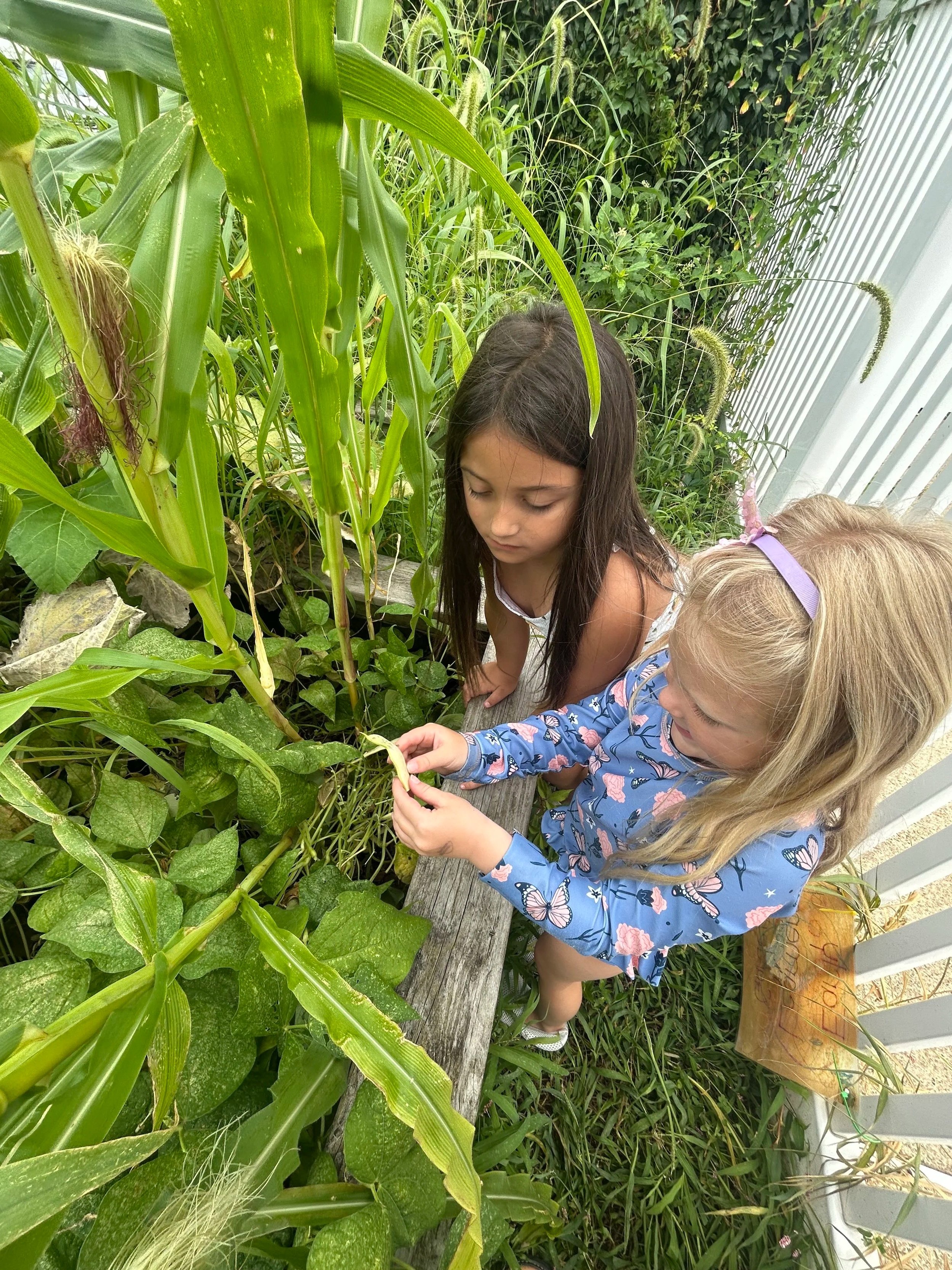
Curiosity
By creating classrooms that celebrate curiosity, we can nurture children’s internal pursuit of knowledge, their pleasure in discovery, and their emerging understanding of the world around them.
Point out changes. Identifying changes and patterns in the world around us sparks a child’s desire to “figure out” how things work.
Allow children to try and fail. Rather than offering a solution to every problem, we share an observation and ask a question. Letting children experiment in this way builds their problem-solving skills and grows knowledge about the physical world by harnessing curiosity about the event.
Follow the child’s lead. Every child is different, and what sparks curiosity will vary from child to child. We see what captivates a child’s or group’s interest and suggest further learning.
→ Further reading: how to foster curiosity in young children
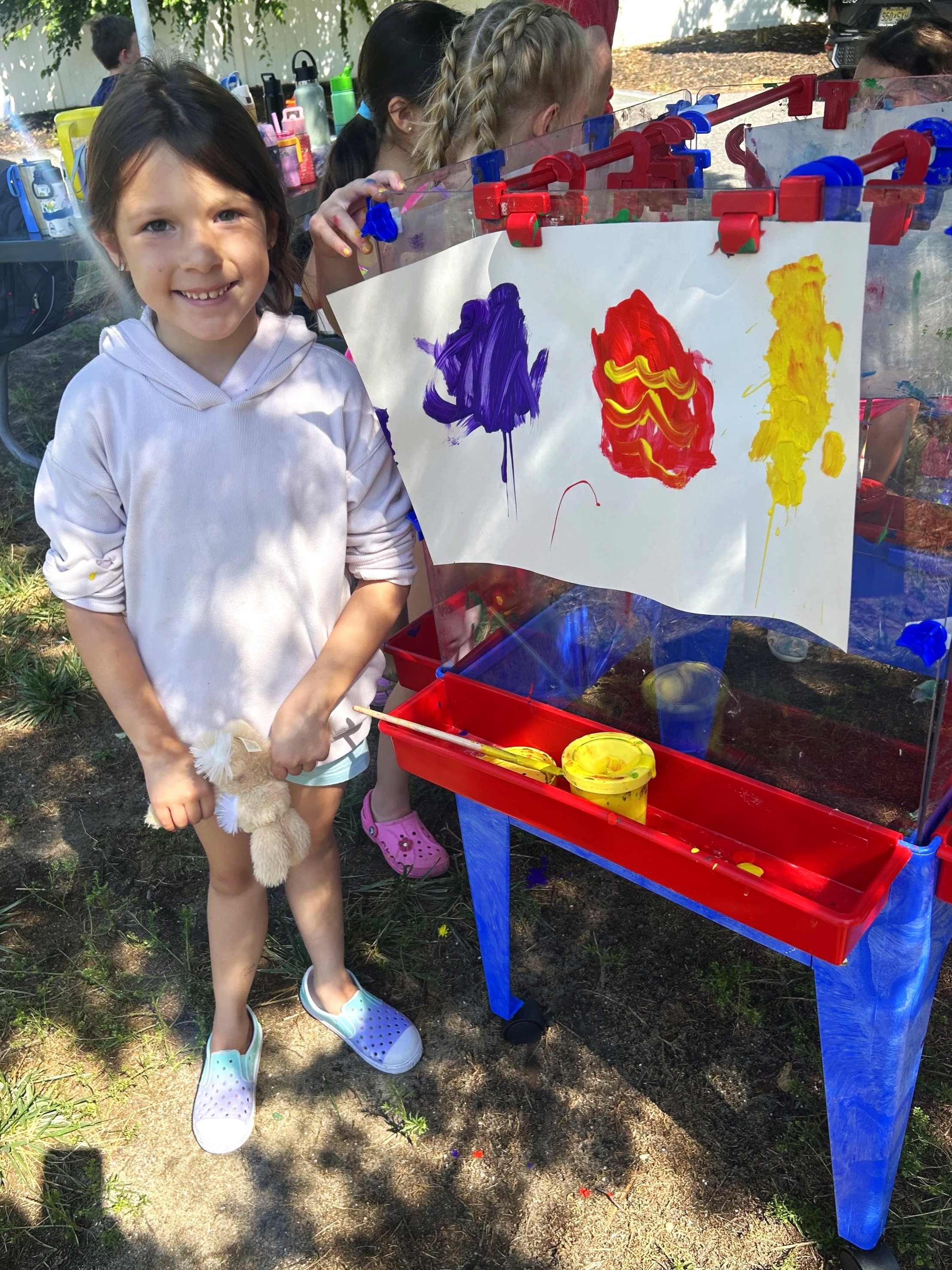
Creation Through Music & the Arts
Creative activity requires the brain to do something different than passive consumption. The arts do more than enhance creativity, they enhance thinking.
Art. When a child draws, they must decide what to create, how to represent it, and how to adjust when something does not turn out as they expected.
Music. When a child plays music, they are engaging in memory, coordination, timing, and emotional expression at the same time.
Dance. When a child dances, they communicate their thoughts and feelings without words, encouraging freedom of expression and an exploration of how moving their bodies can create art.
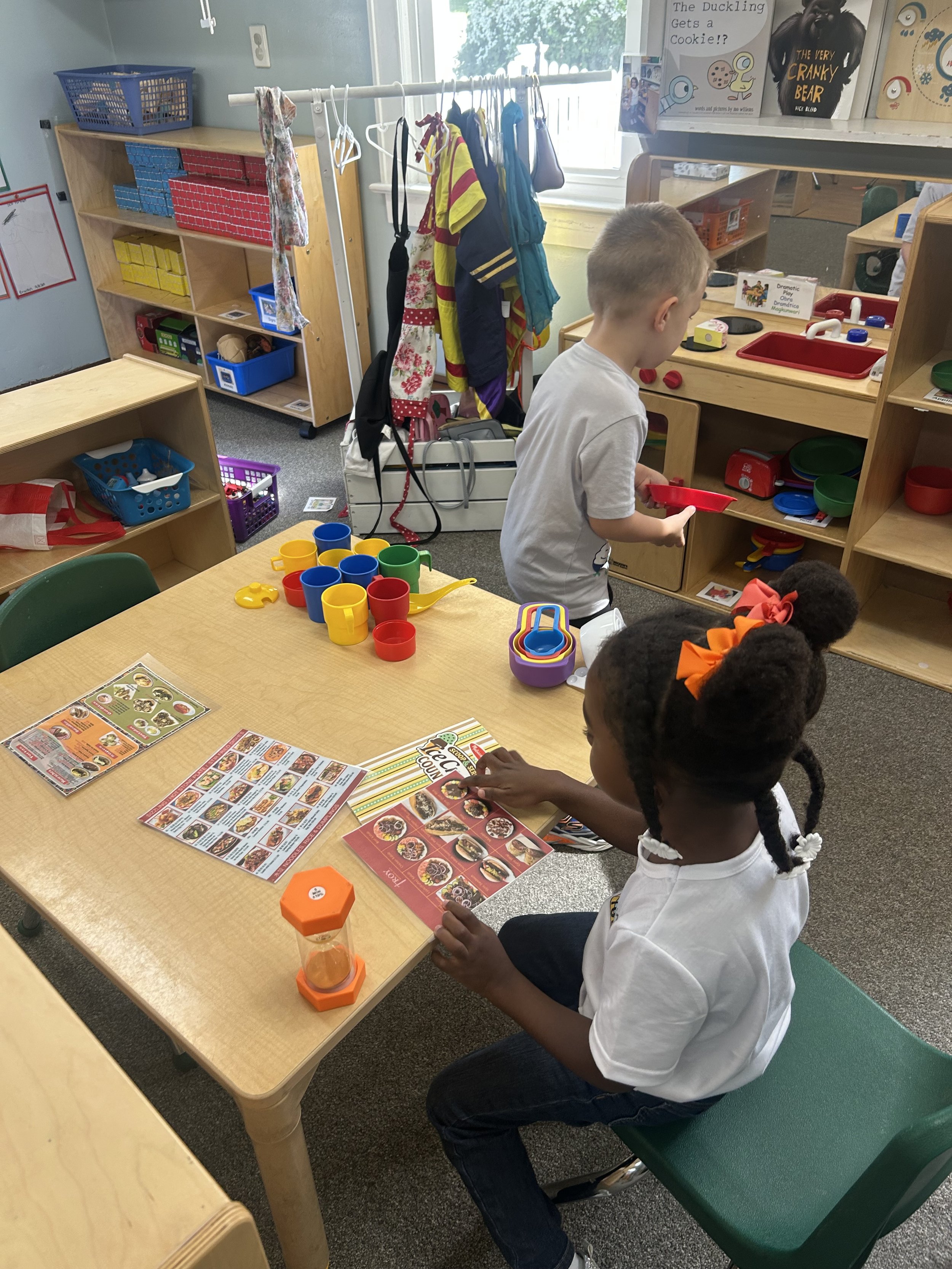
Dramatic Play. When a child engages in dramatic play, it supports language development, social-emotional growth, cognitive skills, and executive function — making it a foundational component of developmentally appropriate early childhood education.
Kindergarten Readiness
Peppermint Tree uses Creative Curriculum, which research shows significantly increases learning across all domains (social–emotional, language, cognitive, literacy, and mathematics).
The Creative Curriculum. This top-ranked, research-based whole-child early childhood curriculum that has been designed for and developed in partnership with educators builds children’s confidence, creativity, and critical thinking skills through hands-on, project-based investigations.
All teachers and classroom assistants have been fully trained in the curriculum by the curriculum developers, to assure it is presented appropriately to the children.
Creative Curriculum assures a smooth transition. This is the same curriculum that Toms River Public Schools have selected for Kindergarten readiness. The Goals of this curriculum are the same goals used in the Toms River Public School Kindergarten.
Creative Curriculum nurtures the whole child while building early language, science, literacy, and math skills.
→ Further reading: on The Creative Curriculum

Academic Standards
We are proud of our school, the curriculum, the experienced and credentialed staff, and our facility and grounds.
Peppermint Tree is a 4-star rated Grow New Jersey Kids Center. Our 4-star rating from the State of NJ means that our program has been vetted and is in line with the NJ Department of Education's expectations for high-quality preschool.
All teachers are trained on Creative Curriculum.
Classrooms met high-quality standards, using a nationally recognized rating scale.
Peppermint Tree aligns with The National Association for the Education of Young Children. All programs and activities are aligned with NAEYC early learning standards.
→ Further reading: on Grow New Jersey Kids

Developed in partnership with educators nationwide, The Creative Curriculum is a research-based, play-based curriculum for young children in the years before kindergarten.

Creating Community
Tomorrow’s leaders and listeners start as part of the Peppermint Tree Family. Creating Community as a best practice stars with:
Family Involvement
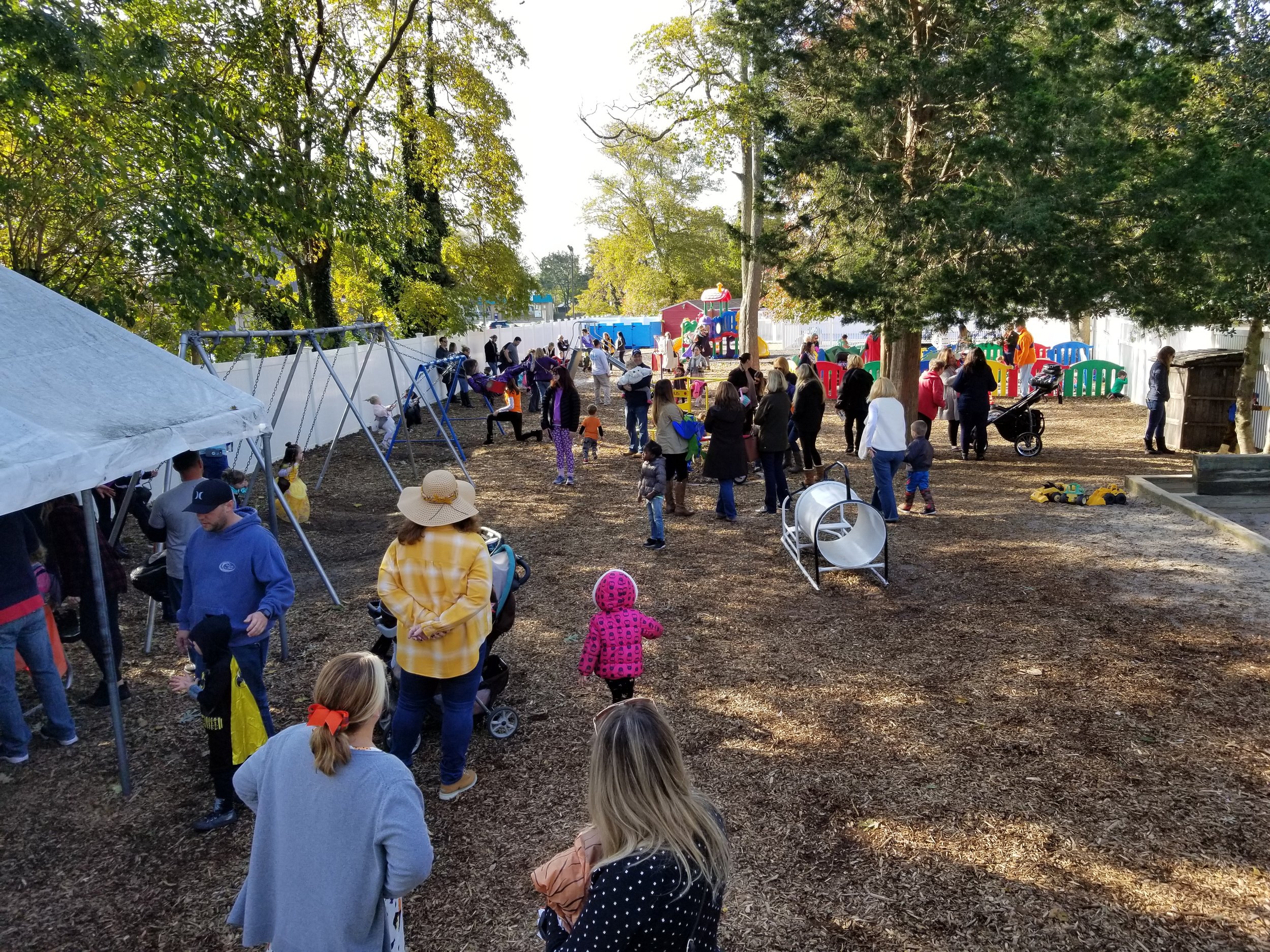
We encourage families to participate in our Family Group, help plan school activities, and select the topics for workshops and learning opportunities.
Families have the opportunity to connect with each other. There are events throughout the school year to attend or help plan and organize. Examples include:
Preschool Prom
Garden Party
School Carnival
Toy Swap
Halloween Parade & Trunk or Treat
As part of the Family Group, free online and in-person workshops are offered on a quarterly basis. Topics include:
kindergarten readiness
challenging behaviors
bringing nature inside
potty training
→ Check out: The Peppermint Tree Events Calendar
Future Leaders & Listeners
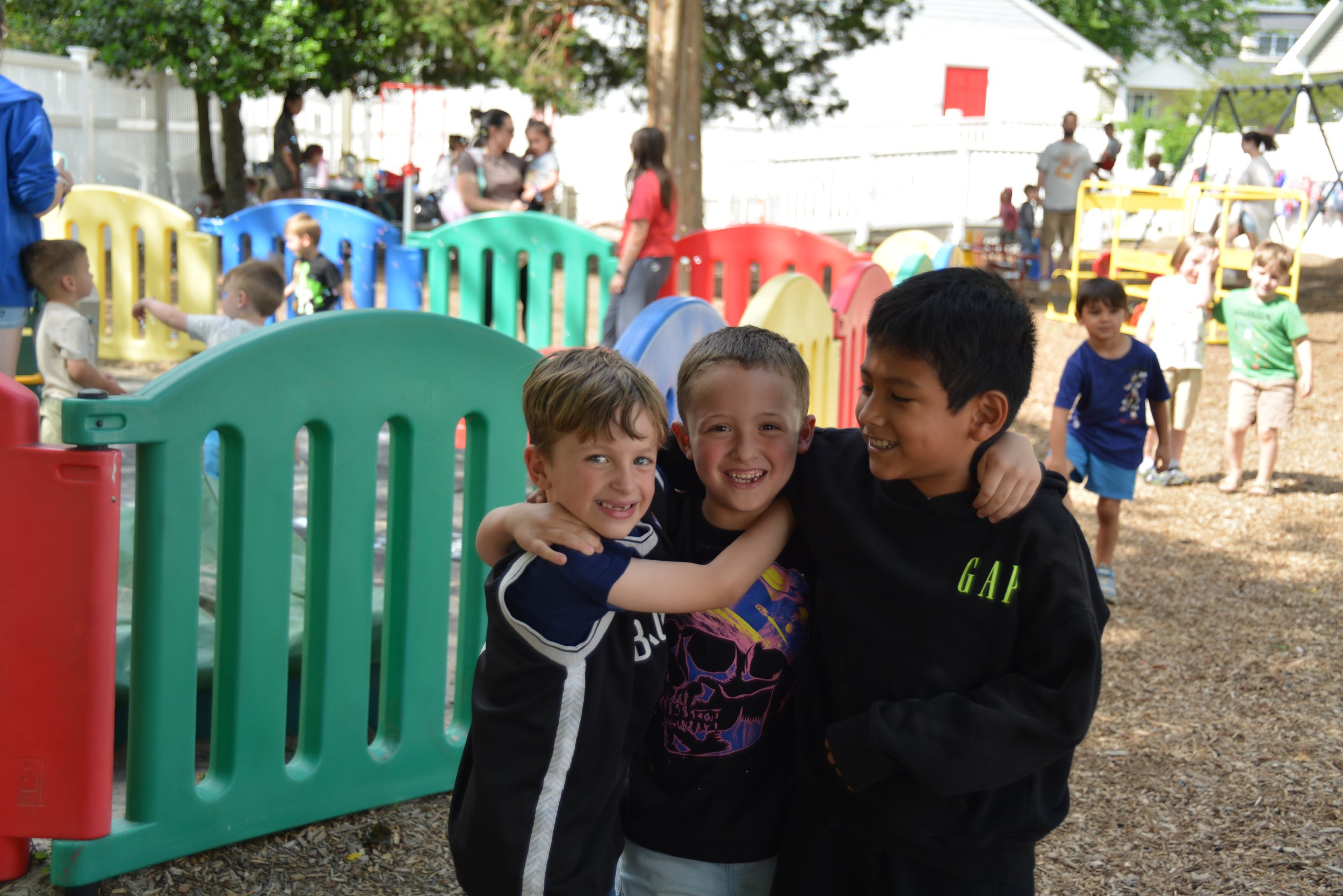
We are teaching children to be positive and proactive members of our Peppermint Tree school community so they can be positive and proactive members of any community they choose to join in the future.
We practice our four overall expectations (We are kind. We are safe. We are respectful. We are problem-solvers.) in our classrooms and on the playground. Teachers model and children practice social skills that will prepare them to be a proactive positive participant in any environment or community.
Peppermint Tree children benefit from learning both cooperation and leadership skills. Taking on classroom jobs and having responsibility for their own materials in the classroom teaches accountability, self agency and builds self esteem. Jobs such as “Line Leader” and “Flag Holder” allow children to see themselves as leaders.
Listening is the foundation of a cooperative community. Within the Peppermint Tree community, everyone has a voice, and everyone feels heard. As young children practice active listening, they are better able to connect with their peers, build strong friendships, and work through conflicts more effectively.
→ Further reading: on watch leadership looks like at a young age
Community Visitors
Peppermint Tree is enhanced by regular visits from community resource people and special programs.
Visitors to the school include:
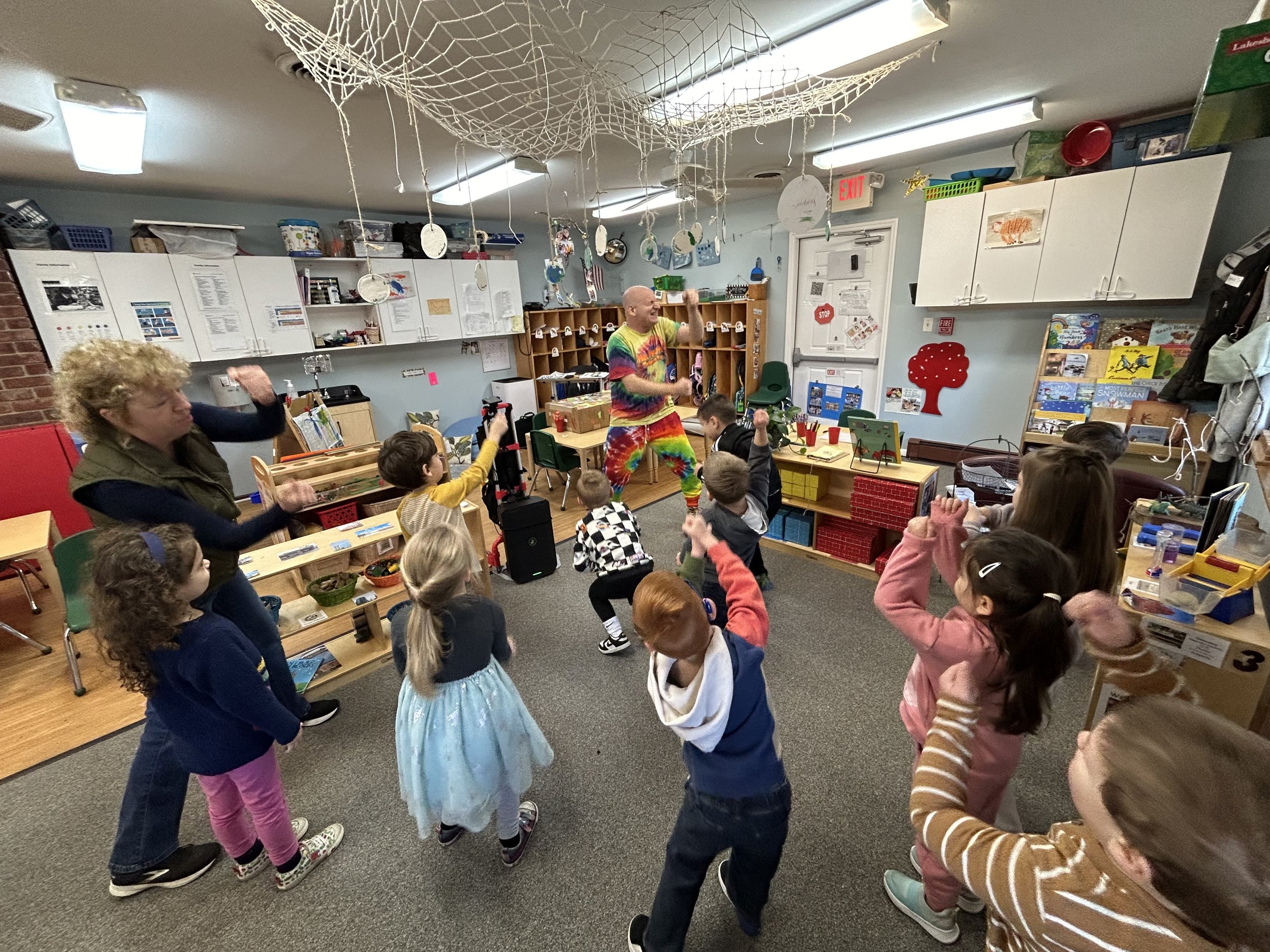
Mr. Scott the Music Man has had children laughing, dancing, and singing at Peppermint Tree to the tune of his silly songs, whacky faces, and funky sounds for over two decades.
Cattus Island County Park brings their animal friends (like turtles and snakes) for the children to learn from, look at, and sometimes touch.
The local Toms River librarian frequents the classrooms to read books and share storytelling with the children, and every year a big red firetruck parks in the parking lot and the fireman talk about what it means to be a fire firefighter and how everyone can practice fire safety. And everyone gets a chance to climb inside the truck!
A pediatric dentist visits classrooms to teach children how and why to brush their teach and what it means to practice good oral hygiene, and a swim school teaches water safety.
A visit from a local petting zoo gives the children a chance to learn and pet and feed different animals, like donkeys, sheep, goats, rabbits, ducks, and chickens.
→ Check out: The Peppermint Tree Events Calendar
A family of Teachers
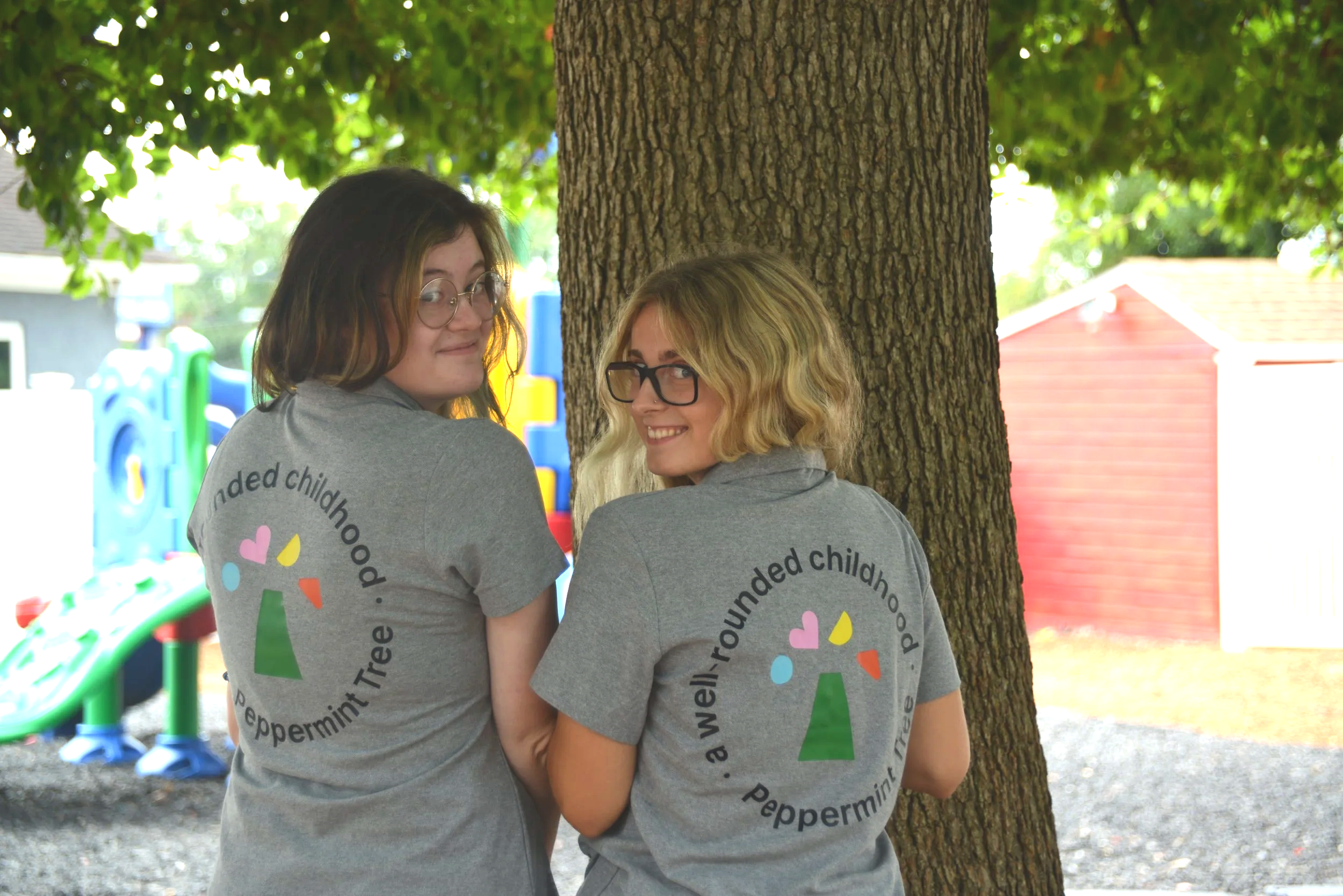
The teachers and the entire team here at Peppermint Tree are like family.
Peppermint Tree has a high staff retention rate, which means children get to know their teachers year after year.
Each teacher and staff member is on a professional development track ensuring trainings and experiences that grow skills, build confidence, create leadership opportunities, and guide career decisions.
Our school is generational. There are teachers and staff members at Peppermint Tree that attended the school when they were children.
Regular staff celebrations and holiday gatherings create a space to unwind, share some laughs, and continue to get to know each other outside of the classroom.
a balance of best practices


Social Emotional Learning
Children who know their emotions can regulate their emotions.
Social Emotional Learning as a best practice gives children: